Table of Contents
Introduction
In today’s digitally driven world, the concept of home automation has rapidly evolved from a niche interest to a mainstream necessity. “Home Automation: Transform Your Living Space with Smart Technology” is not just a catchphrase; it represents a significant shift in how we interact with our living environments. With advancements in technology, it’s now possible to control nearly every aspect of your home remotely, from lighting and temperature to security and entertainment systems. This article delves into the transformative power of smart technology, highlighting the ways it can elevate the comfort, convenience, and efficiency of your home.
As we explore the various facets of “Home Automation: Transform Your Living Space with Smart Technology,” it becomes clear that this innovation is about more than just convenience. It’s about creating a living space that responds to your needs, enhances your lifestyle, and even contributes to a more sustainable environment. By integrating smart devices and systems into your home, you can achieve a level of control and personalization that was once unimaginable. Whether you’re looking to improve security, reduce energy consumption, or simply make everyday tasks easier, home automation offers solutions tailored to your unique requirements.
The rise of smart technology in home automation is also transforming the way we think about home design and functionality. No longer limited to luxury homes, smart devices are becoming increasingly accessible, allowing homeowners of all backgrounds to benefit from this technology. In this guide, we will explore how “Home Automation: Transform Your Living Space with Smart Technology” can be implemented in various types of homes, offering practical advice and insights to help you make the most of this exciting trend. Whether you’re new to home automation or looking to expand your existing setup, this article will provide the information you need to create a smarter, more efficient living space.
Understanding Home Automation
Home Automation: Transform Your Living Space with Smart Technology” begins with a clear understanding of what home automation actually entails. At its core, home automation refers to the use of smart technology to control and automate various functions within the home, such as lighting, heating, security systems, and entertainment devices. These systems can be controlled remotely via smartphones, tablets, or voice commands, making it easier than ever to manage your home environment. By integrating these technologies, homeowners can create a more comfortable, efficient, and secure living space.
The key components of “Home Automation: Transform Your Living Space with Smart Technology” include smart devices, a central hub or controller, and a reliable network connection. Smart devices range from thermostats and light bulbs to advanced security systems and appliances, all designed to communicate with each other through the central hub. This hub acts as the brain of the smart home, enabling seamless control and automation of connected devices. A strong, stable network connection ensures that these devices can interact efficiently, providing real-time feedback and control, no matter where you are.
Understanding how “Home Automation: Transform Your Living Space with Smart Technology” works is essential for anyone looking to integrate these systems into their home. The technology behind home automation is built on the principles of connectivity and interoperability. Devices communicate with each other using wireless protocols such as Wi-Fi, Bluetooth, Zigbee, or Z-Wave, allowing for a unified and streamlined experience. As technology continues to advance, the capabilities of home automation systems will only grow, offering even more sophisticated and personalized solutions for modern living.
Benefits of Home Automation
Home Automation: Transform Your Living Space with Smart Technology” offers numerous benefits that go beyond mere convenience. One of the most significant advantages is enhanced security and safety. Smart home security systems allow homeowners to monitor their property in real-time, receive alerts about suspicious activities, and even control locks and cameras remotely. This level of control ensures that your home is always protected, whether you’re at work, on vacation, or simply in another room. Additionally, smart sensors can detect fire, gas leaks, or water damage, providing an added layer of safety and peace of mind.
Another major benefit of “Home Automation: Transform Your Living Space with Smart Technology” is energy efficiency and cost savings. Smart thermostats, lighting systems, and appliances can be programmed to operate only when needed, reducing energy consumption and lowering utility bills. For instance, a smart thermostat can learn your schedule and adjust the temperature accordingly, ensuring optimal comfort without wasting energy. Similarly, smart lighting systems can be set to turn off automatically when no one is in the room, further contributing to energy savings. These small adjustments can add up to significant savings over time, making home automation a wise investment.
“Home Automation: Transform Your Living Space with Smart Technology” also enhances the overall comfort and convenience of your home. With smart devices, you can automate routine tasks, such as adjusting the thermostat, turning on the lights, or even starting your coffee maker, all with a simple voice command or tap on your smartphone. This level of convenience not only saves time but also creates a more relaxing and enjoyable living environment. For those with mobility issues or disabilities, home automation can provide increased accessibility, allowing them to control various aspects of their home with ease. By transforming your living space with smart technology, you can create a home that truly caters to your needs and lifestyle
Popular Home Automation Technologies
As you explore “Home Automation: Transform Your Living Space with Smart Technology,” it’s important to understand the various technologies that make up a smart home. One of the most popular and impactful categories is smart lighting and climate control. Smart lighting systems allow you to control the brightness, color, and timing of your lights, all from your smartphone or through voice commands. Similarly, smart thermostats enable precise control over your home’s heating and cooling systems, adapting to your schedule and preferences to optimize comfort and energy efficiency.
Home security is another critical aspect of “Home Automation: Transform Your Living Space with Smart Technology.” Modern smart security systems include features like video doorbells, smart locks, and surveillance cameras, all of which can be monitored and controlled remotely. These systems provide real-time alerts and video feeds, allowing you to keep an eye on your property no matter where you are. Smart locks offer keyless entry options, making it easier to secure your home while also providing access to trusted visitors when you’re away.
Voice assistants and smart hubs are the central elements of many home automation setups. Devices like Amazon Alexa, Google Assistant, and Apple’s Siri act as the command centers for your smart home, allowing you to control various devices through simple voice commands. These hubs can also integrate with a wide range of smart devices, creating a seamless and interconnected home environment. Whether you’re controlling your lights, playing music, or setting reminders, voice assistants are at the heart of “Home Automation: Transform Your Living Space with Smart Technology,” making everyday tasks easier and more intuitive.
How to Get Started with Home Automation
Embarking on the journey of “Home Automation: Transform Your Living Space with Smart Technology” starts with assessing your home’s specific needs. Begin by identifying the areas of your home that could benefit from automation, such as lighting, security, or energy management. Consider your lifestyle and daily routines to determine which smart devices will provide the most value. For instance, if you often forget to turn off lights or adjust the thermostat, smart lighting and climate control systems may be a good starting point. By understanding your unique needs, you can create a tailored smart home setup that enhances your living experience.
Once you have a clear idea of your needs, the next step in “Home Automation: Transform Your Living Space with Smart Technology” is choosing the right devices and platforms. With a wide variety of smart products available, it’s important to select devices that are compatible with each other and with your preferred control platform, whether it’s a voice assistant like Alexa or a smart hub like Samsung SmartThings. Look for devices that offer easy integration and user-friendly interfaces, ensuring a smooth and hassle-free experience. Additionally, consider future-proofing your setup by choosing products that can be updated or expanded as new technologies emerge.
Setting up your smart home network is the final step in “Home Automation: Transform Your Living Space with Smart Technology.” A strong, reliable Wi-Fi network is crucial for the seamless operation of your smart devices. Position your router in a central location and consider adding range extenders if needed to ensure full coverage throughout your home. Once your network is in place, begin connecting your smart devices one by one, following the manufacturer’s instructions for each. Test each device to ensure it’s functioning properly and integrate it into your chosen control platform. With your smart home network up and running, you can start enjoying the benefits of a more connected and efficient living space.
Top Home Automation Trends for 2024
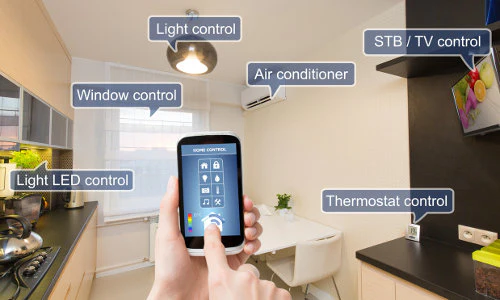
As we look towards the future, artificial intelligence (AI) and machine learning are becoming integral to “Home Automation: Transform Your Living Space with Smart Technology.” These technologies enable smart devices to learn from your habits and preferences, allowing them to anticipate your needs and automate tasks more effectively. For example, AI-powered thermostats can adjust the temperature based on your daily routine, while smart lighting systems can create personalized lighting scenes that match your mood or activity.
Another emerging trend in “Home Automation: Transform Your Living Space with Smart Technology” is the integration of smart homes with renewable energy sources. Solar panels, wind turbines, and other renewable energy technologies can be connected to your smart home system, allowing you to monitor and manage your energy consumption more efficiently. This not only reduces your reliance on traditional energy sources but also contributes to a more sustainable and eco-friendly lifestyle. As renewable energy becomes more accessible, this trend is expected to gain significant traction in the coming years.
Advances in smart security systems are also shaping the future of “Home Automation: Transform Your Living Space with Smart Technology.” New innovations include AI-driven surveillance cameras that can differentiate between humans and animals, reducing false alarms, and smart locks that use biometric authentication for enhanced security. Additionally, the integration of smart security systems with other home automation technologies allows for more comprehensive and coordinated protection. As these systems become more sophisticated, they will play an increasingly important role in safeguarding our homes and enhancing our peace of mind.
Challenges and Considerations
While “Home Automation: Transform Your Living Space with Smart Technology” offers numerous benefits, it also presents certain challenges, particularly in terms of privacy and security. With so many devices connected to the internet, there is an increased risk of cyberattacks and data breaches. Ensuring that your smart home network is secure—by using strong passwords, enabling two-factor authentication, and regularly updating your devices—is essential to protecting your personal information and maintaining the integrity of your home automation system.
Compatibility and interoperability are also significant considerations when implementing “Home Automation: Transform Your Living Space with Smart Technology.” Not all smart devices are compatible with each other or with certain platforms, which can lead to frustration and limited functionality. To avoid these issues, it’s important to research and choose devices that are designed to work together or that support widely-used platforms like Amazon Alexa, Google Assistant, or Apple HomeKit. This ensures a seamless and integrated smart home experience.
Finally, the cost of “Home Automation: Transform Your Living Space with Smart Technology” can be a concern for some homeowners. While smart devices can offer long-term savings through energy efficiency and convenience, the initial investment can be significant. It’s important to weigh the costs against the potential benefits and consider starting with a few key devices before expanding your system. This approach allows you to gradually build your smart home while managing costs and ensuring that you get the most value from your investment.
Case Studies: Real-Life Examples of Home Automation
One of the most compelling ways to understand the impact of “Home Automation: Transform Your Living Space with Smart Technology” is through real-life examples. Consider the case of a homeowner who integrated smart lighting, security, and climate control systems into their home. By automating these key areas, they were able to significantly reduce their energy consumption, enhance their home’s security, and create a more comfortable living environment. This transformation not only improved their quality of life but also increased the value of their property.
Another success story involves a family who used “Home Automation: Transform Your Living Space with Smart Technology” to enhance accessibility for an elderly relative. By installing voice-controlled devices and smart home assistants, they were able to make their home more accessible and safer for their loved one. The ability to control lights, locks, and other devices with simple voice commands allowed their relative to maintain independence and continue living comfortably in their own home.
These case studies illustrate the diverse ways in which “Home Automation: Transform Your Living Space with Smart Technology” can be applied to meet different needs and lifestyles. Whether it’s improving energy efficiency, enhancing security, or making a home more accessible, smart technology offers solutions that can be tailored to fit any home. By learning from the experiences of others, homeowners can gain valuable insights into how to best implement home automation in their own living spaces.
Future of Home Automation
The future of “Home Automation: Transform Your Living Space with Smart Technology” is bright, with rapid advancements in technology paving the way for even more sophisticated and integrated systems. Emerging technologies such as AI-driven home assistants, advanced robotics, and smart home integration with wearable devices are set to redefine how we interact with our living spaces. These innovations will not only enhance convenience and comfort but also make our homes more responsive to our individual needs and preferences.
One of the most exciting prospects for “Home Automation: Transform Your Living Space with Smart Technology” is its potential role in promoting sustainable living. As smart homes become more energy-efficient and integrate with renewable energy sources, they will play a crucial role in reducing our carbon footprint. The future may also see the development of smart cities, where interconnected homes and infrastructure work together to optimize energy usage, reduce waste, and improve the overall quality of life for residents.
As we move forward, “Home Automation: Transform Your Living Space with Smart Technology” will continue to evolve, offering new possibilities for personalization, efficiency, and connectivity. Homeowners can look forward to a future where their homes are not just places to live but dynamic, intelligent environments that enhance every aspect of their lives. Embracing these innovations today will prepare us for a smarter, more connected tomorrow.
Conclusion
In conclusion, “Home Automation: Transform Your Living Space with Smart Technology” is revolutionizing the way we live, offering unparalleled convenience, security, and efficiency. By understanding the key components, benefits, and challenges of home automation, homeowners can make informed decisions about integrating smart technology into their living spaces. Whether you’re just starting out or looking to expand your existing setup, the possibilities for creating a connected, intelligent home are virtually limitless.
The future of “Home Automation: Transform Your Living Space with Smart Technology” is filled with exciting potential, from AI-driven systems that learn and adapt to your habits, to sustainable solutions that reduce energy consumption and promote a greener lifestyle. As these technologies continue to advance, they will become even more accessible and integral to our daily lives, making smart homes a standard rather than a luxury.
Ultimately, embracing “Home Automation: Transform Your Living Space with Smart Technology” is about more than just convenience—it’s about creating a home that truly enhances your quality of life. By taking advantage of the latest innovations and staying informed about emerging trends, you can transform your living space into a smart, responsive environment that meets your needs today and adapts to your future lifestyle.
Sports lovers click here for sports articles.
Individuals seeking work-from-home opportunities and ways to earn money online can now capitalize on promoting affiliate programs with ySense — a straightforward platform designed for easy earnings
Click Here –> For Best HIGH QUALITY & DURABLE Grid Foam – Deep Tissue